What is calibration?
Calibration is the process of comparing the measurements of an instrument or equipment to a standard reference to ensure its accuracy. It involves adjusting the instrument to match the known values of the standard, minimizing any deviations, and ensuring the instrument consistently delivers reliable and accurate results.
Types of calibration:
Calibration can be classified into various types depending on the instruments being calibrated, the industry, and the measurement parameters involved. Here are the main types of calibration:
Dimensional Calibration
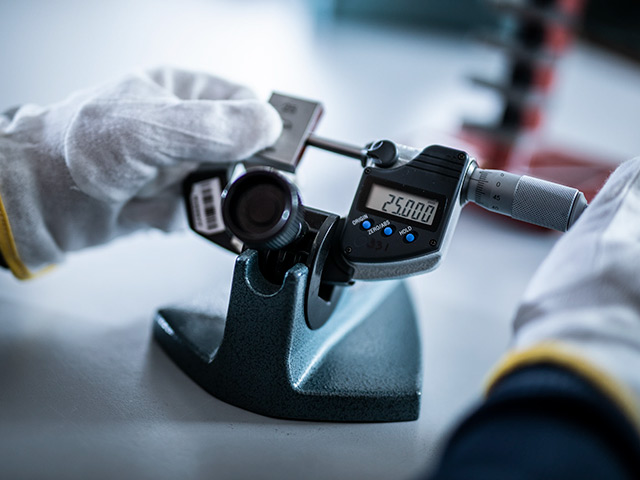
Dimensional calibration is the process of verifying and adjusting instruments that measure physical dimensions, such as length, width, height, or angles, to ensure they provide accurate readings based on established standards. This type of calibration is essential for ensuring precision in manufacturing and quality control processes. Instruments commonly calibrated include:
- Calipers (Digital or Vernier)
- Micrometers (Inside, Outside, Depth)
- Height Gauges
- Gauge Blocks (Slip Gauges)
- Dial Indicators
- Coordinate Measuring Machines (CMM)
- Surface Plates
- Optical Comparators
- Angle Plates
- Rulers and Tape Measures etc.
Pressure Calibration
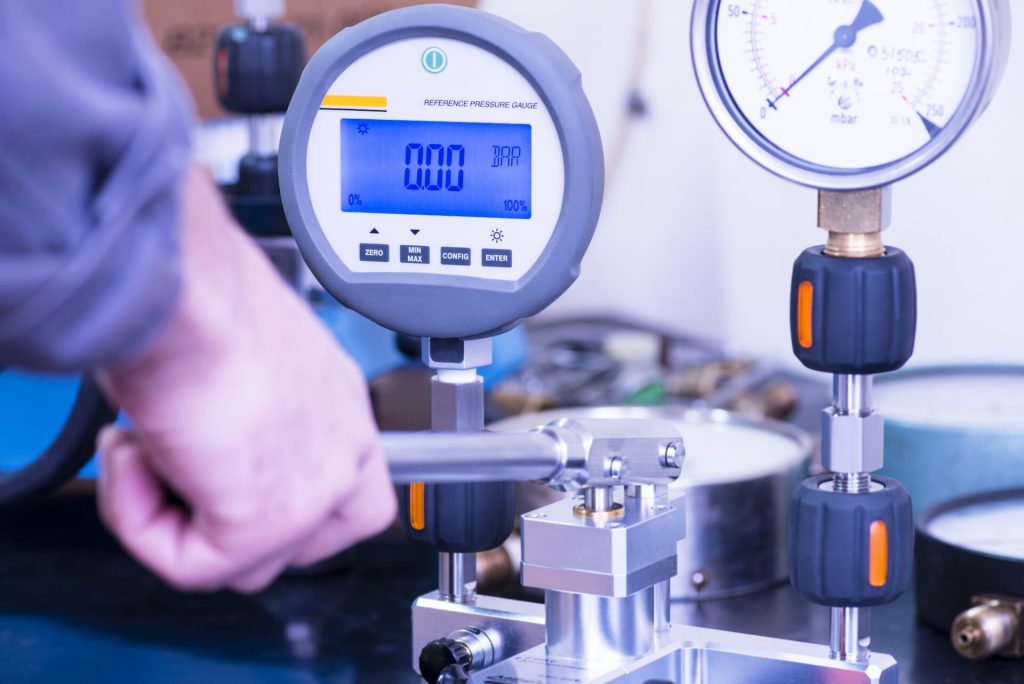
Pressure calibration is the process of verifying and adjusting pressure-measuring instruments to ensure they provide accurate readings in accordance with known standards. It involves comparing the instrument’s output against a reference standard and correcting any deviations. Pressure calibration is essential in industries where accurate pressure measurements are critical, such as in hydraulics, pneumatics, and process control.
- Pressure Gauges
- Pressure Transducers
- Pressure Switches
- Barometers
- Manometers
- Differential Pressure Meters
- Pressure Calibrators etc.
Temperature Calibration
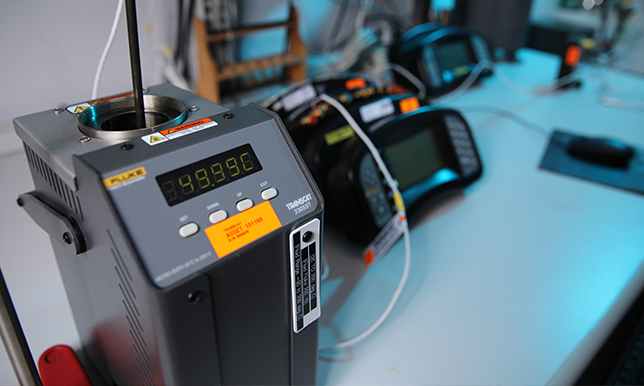
Temperature calibration is the process of verifying and adjusting temperature-measuring instruments to ensure they provide accurate readings in comparison to known temperature standards. It involves comparing the device’s output to a reference instrument or system with a higher degree of accuracy.
- Thermometers (Digital or Analog)
- Thermocouples
- RTDs (Resistance Temperature Detectors)
- Infrared Thermometers
- Temperature Controllers
- Temperature Data Loggers
- Ovens
- Incubators
- Stability Chambers
- Auto Claves etc.
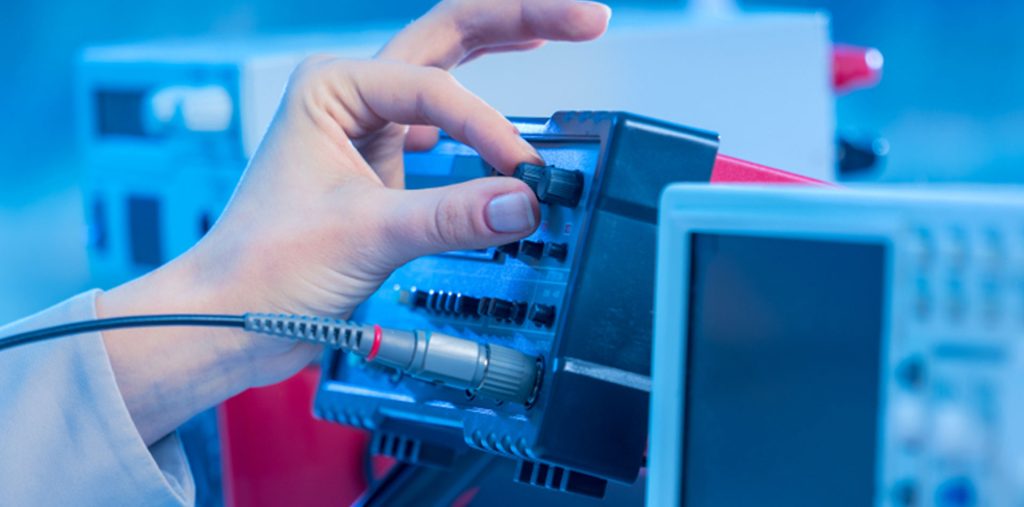
Electrical Calibration
Electrical calibration is the process of verifying and adjusting electrical instruments to ensure they provide accurate measurements of electrical parameters such as voltage, current, resistance, and power. This process involves comparing the instrument’s output to a reference standard and making necessary adjustments to correct any discrepancies.
- Clampmeters
- Multimeters
- Oscilloscopes
- Ammeters
- Voltmeters
- Wattmeters
- Resistance Meters
- Power Analyzers
- Function Generators etc.
Mass Calibration
Mass calibration is the process of verifying and adjusting mass-measuring instruments to ensure they provide accurate weight measurements according to established standards. This calibration involves comparing the instrument’s readings against certified reference weights, making necessary adjustments, and documenting the results to maintain accuracy over time.
- Analytical Balances
- Top-Loading Balances
- Floor Scales
- Portable Scales
- Moisture Analyzers
- Mass Standards (Calibration Weights)
- Tensile Testing Machine etc.

Download our comprehensive capabilities list to explore the full range of services and expertise we offer.
Inspection Services
Our inspection services provide thorough assessments of industrial equipment, systems, and processes to ensure safety, compliance, and optimal performance. We offer a range of inspections, including visual checks, non-destructive testing (NDT), mechanical and electrical inspections, vessel inspections, and safety audits. These services help identify potential issues early, reduce downtime, and ensure compliance with industry standards, enhancing operational reliability and safety.
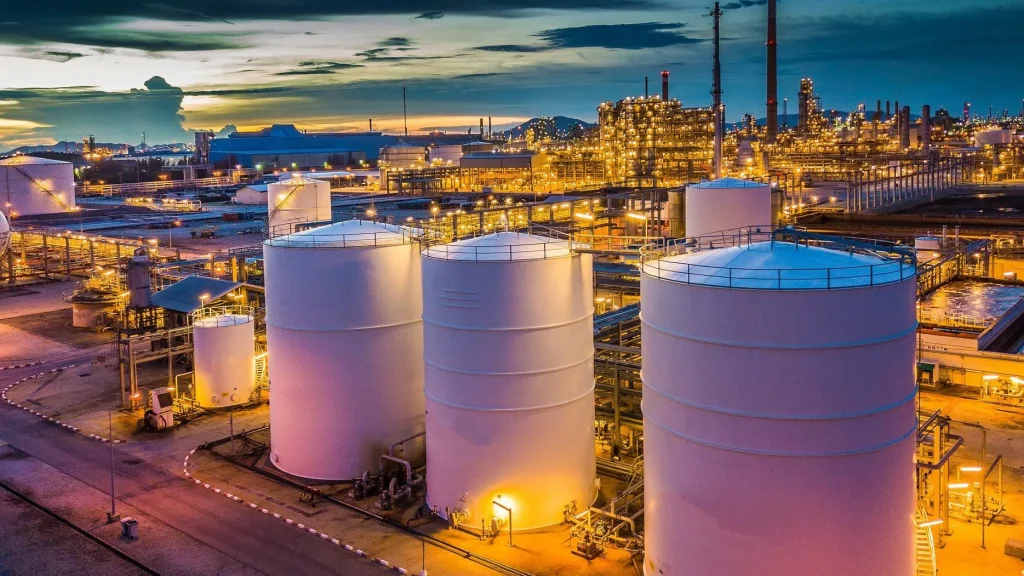
Pressure Vessel & Tank Inspection
Vessel inspection refers to the thorough examination of pressure vessels, tanks, and containers used to store or process gases or liquids under pressure. These inspections are crucial for ensuring the safety, reliability, and compliance of vessels with industry standards and regulations. Vessel inspections help identify potential issues like corrosion, cracks, leaks, or other defects that could lead to failures or hazardous situations.
Types of Vessel Inspections:
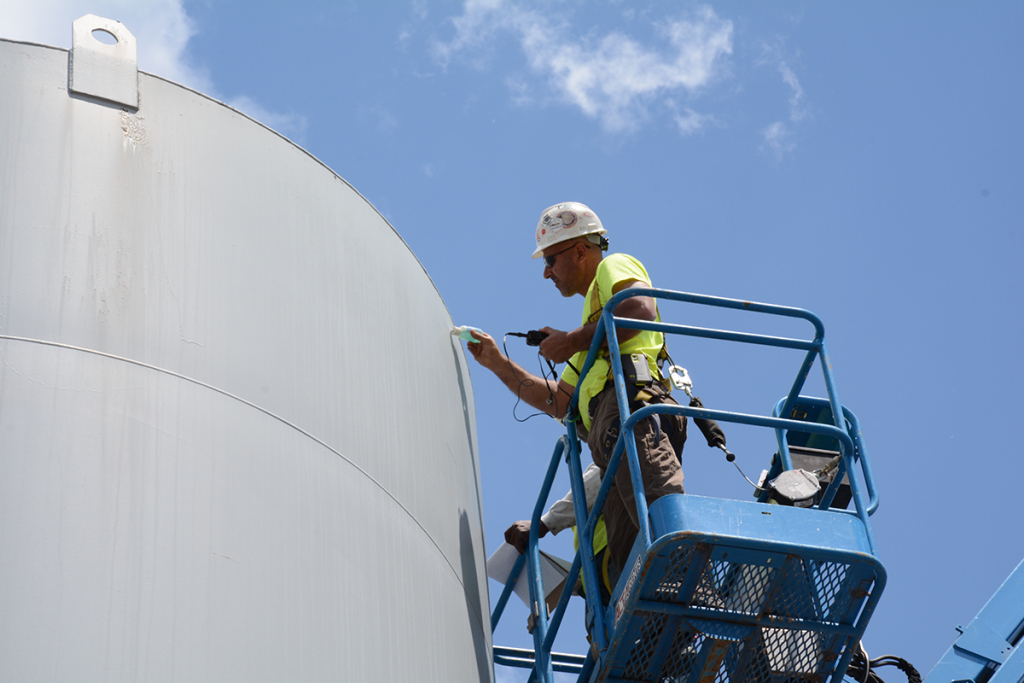
- External Inspection: A visual examination of the vessel’s outer surface for signs of damage, corrosion, leaks, or wear.
- Internal Inspection: Involves entering the vessel to inspect the interior surfaces for corrosion, cracks, or material build-up. It may require emptying and cleaning the vessel beforehand.
- Non-Destructive Testing (NDT): Techniques like ultrasonic testing, radiographic testing (X-ray), or magnetic particle inspection to detect internal flaws without damaging the vessel.
- Hydrostatic Testing: Filling the vessel with water and pressurizing it to check for leaks and ensure structural integrity under pressure.
- Leak Testing: Detecting leaks by pressurizing the vessel with a gas (often air or helium) and checking for any pressure drops.
- Safety Device Inspection: Ensuring safety relief valves, pressure gauges, and other protective devices are functioning correctly.
Importance of Vessel Inspections:
- Safety: Prevents catastrophic failures, explosions, or leaks that could cause injuries or environmental damage.
- Regulatory Compliance: Ensures vessels meet industry codes and safety standards, such as ASME (American Society of Mechanical Engineers) and local regulations.
- Prolonged Equipment Life: Detects early signs of wear or damage, allowing for repairs before major issues occur.
- Operational Efficiency: Helps maintain proper function and efficiency in industrial processes, reducing downtime.
Vessel inspections are critical in industries such as oil and gas, chemical processing, power generation, and food and beverage manufacturing, where pressure vessels are commonly used.

Lifting Equipment Inspection
Lifting equipment inspection involves the examination and testing of machinery and tools used for lifting or moving loads to ensure they are safe, functional, and compliant with regulations. Regular inspections help prevent accidents, equipment failures, and ensure that lifting devices operate efficiently.
Common Lifting Equipment Inspected:
- Cranes (Overhead, Mobile, Tower)
- Hoists (Electric, Manual, Chain)
- Forklifts
- Lifting Slings and Chains
- Elevators and Cargo Lifts
- Jacks and Winches
- Load Lifting Attachments (Hooks, Shackles, Spreaders)
Key Aspects of Inspection:
- Visual Checks: Identifying signs of wear, corrosion, damage, or misalignment.
- Load Testing: Verifying that equipment can safely handle its maximum rated load.
- Mechanical Functionality: Assessing the working condition of moving parts, brakes, and controls.
- Safety Devices: Ensuring the proper function of safety latches, emergency stop buttons, and alarms.
- Compliance: Verifying the equipment meets safety standards and regulations, such as OSHA or LOLER.
Lifting equipment inspections ensure safe operations, reduce the risk of accidents, and help extend the lifespan of equipment.
